Thanksgiving meals, family visits and busy winter weekends are great until the kitchen sink quits draining. Around Oakdale and Modesto, we hear the same question from homeowners: “I thought the disposal could handle it. What happened?”
A garbage disposal can break up some food scraps, but it doesn’t make grease, wipes or fibrous food disappear. Those materials still have to travel through the drain line. Here’s how to make the holiday season easier on your plumbing.
Grease and cooking oil belong in the trash, not the sink
Hot grease can look harmless while it’s liquid. As it cools, it can stick to the inside of pipes and collect other debris. Running hot water after pouring grease down the drain isn’t a reliable fix. Let it cool safely in a suitable container and dispose of it according to local waste guidance.
Butter, meat drippings and oily sauces can contribute to the same buildup. A little bit over time adds up.
Foods that cause trouble in disposals
- Potato peels and starchy scraps: They can form a paste and build up in the drain.
- Celery strings, corn husks and other fibrous scraps: Fibers can wrap around the disposal components.
- Coffee grounds and large amounts of rice or pasta: These can collect instead of washing away.
- Bones and large food scraps: They aren’t meant to be pushed through household drain lines.
The simplest habit is to scrape plates into the trash or compost before rinsing them. Use the disposal only for small amounts of appropriate scraps, following its manufacturer’s instructions.
What about the bathroom?
Toilets should not be used for wipes, paper towels, cotton swabs, dental floss or hygiene products. Even wipes advertised as “flushable” can contribute to clogs in pipes and sewer equipment. Toilet paper and human waste are the safe basics.
California’s State Water Resources Control Board has highlighted how improperly flushed wipes cause problems in wastewater systems. The trouble doesn’t stop at your property line.
Should you pour vinegar, salt or strong cleaner down the drain?
You’ve probably seen online tricks involving salt, vinegar, baking soda or chemical drain cleaners. Some may temporarily change odors or light residue, but they do not reliably clear heavy grease deposits, roots or damaged drain lines. Chemical products may also create hazards for anyone working on the drain afterward.
Never mix drain-cleaning chemicals. If a product has already been poured into a blocked line, tell the plumber before work starts.
When a slow drain needs professional attention
One slow sink may be a localized clog. Several drains slowing down together, a gurgling toilet, sewage odors or water backing up in a shower can point to a larger line issue. Repeated clogs are a sign to stop treating the symptom and look for the cause.
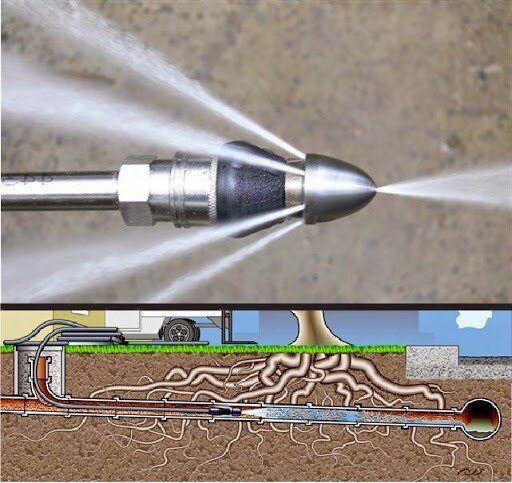
Martin Plumbing can discuss the appropriate next step, from diagnosing a clog to hydro jetting and drain cleaning when conditions call for it. Hydro jetting isn’t necessary for every blockage; the pipe’s condition and the type of obstruction matter.
A backed-up drain before company arrives?
Skip the guessing. Describe the symptoms and let Martin Plumbing help you decide what the line needs.
ASK ABOUT DRAIN SERVICE →Urgent backup? Call (209) 765-5011.
For California’s guidance on non-flushable wipes and wastewater systems, see the State Water Resources Control Board.
Leave a Reply